When a Semi Goes Down the Clock Starts Immediately
A loaded flatbed sitting on the eastbound shoulder near Sunnyside at 5:20 a.m. is not just a roadside problem. The driver may still have six hours of legal drive time left, but the load was supposed to reach a warehouse outside Hermiston by 8:00. That delivery window is already gone. The dispatcher is calling the receiver. The fleet manager is looking for a backup tractor. The breakdown itself may take two hours to clear, but the real cost has already started adding up before the first tow truck even arrives. That is the part most people do not think about with I-82 heavy towing.
Truck downtime is not just the repair bill. It shows up in missed appointments, wasted driver hours, rescheduled routes, and customer penalties. One disabled rig can pull three different departments into the same fire drill. The tow may go smoothly, but the freight schedule may still fall apart behind it.
Downtime Hits More Than the Repair Budget
The obvious costs are towing, parts, labor, and maybe a night of storage. The hidden costs are harder to track. A driver burns legal hours sitting on the shoulder. A load misses its dock slot and the receiver charges a late fee. A second tractor has to leave another job to pick up the trailer. If the cargo is temperature-controlled, someone has to monitor fuel and reefer settings while the truck sits.
We have handled I-82 heavy towing calls where the actual tow took less time than the scheduling chaos that followed. The truck got moved. The load still missed its window. The shop was booked until the next morning. The customer wanted answers that dispatch could not give yet. One breakdown can create work for four or five people before the wheels even start rolling again.
I-82 Comes With Its Own Set of Challenges
Interstate towing is different than pulling a delivery truck out of a parking lot. Traffic moves at highway speed. Shoulders can be tight. The distance between exits can stretch longer than drivers expect, especially between Yakima and the Tri-Cities. Wind is a constant issue in the valley. Dust, rain, and occasional snow can slow down traffic control and make hookups harder.
That is why details matter so much when we get an I-82 heavy towing call. We need the mile marker, direction of travel, tractor type, trailer type, load status, and a description of where the unit is sitting. A semi on the shoulder is not the same as one blocking a lane or one that rolled into the median. The first truck we send has to match the weight, road position, and next destination.
The Tow Plan Affects Everything That Happens Next
A smart towing plan looks past the breakdown itself. With I-82 heavy towing, the question is not just where the truck is sitting right now. We also need to know where it should go next. That could be a repair shop in Pasco, a yard in Kennewick, a safe drop point, or a spot where another tractor can grab the trailer and keep the load moving.
Those decisions control downtime. Sending a truck to the wrong facility can mean a second tow, extra storage fees, or another delay while the load sits. Before the unit moves, we look at:
- Tractor and trailer weight
- Loaded or empty status
- Cargo type and delivery deadline
- Damage to axles, airlines, suspension, or brakes
- Shoulder width, grade, and traffic flow
- Best repair facility or drop location
Heavy Towing Controls the Next Few Hours
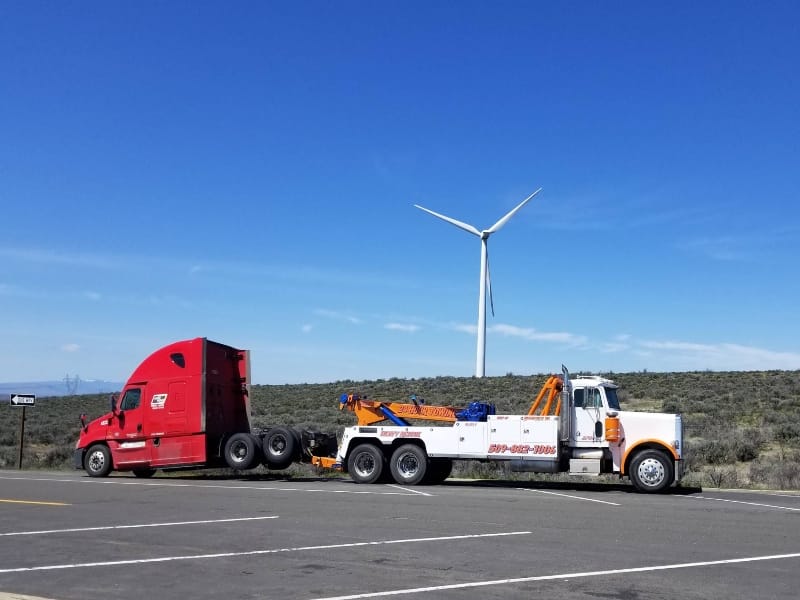
A heavy tow does more than pull a disabled truck off the road. It sets the pace for the rest of the breakdown. With I-82 heavy towing, a fleet may need the tractor taken to a shop while the trailer stays available for transfer. Other times the whole combination has to move together because of cargo, visible damage, or where the unit ended up.
We have worked calls where separating the tractor and trailer saved the load. We have also worked calls where keeping them together was the only safe option. The decision depends on brake condition, cargo weight, road position, and what the fleet needs to happen next. A good tow crew does not just hook and pull. They look at the bigger picture and move the truck in a way that keeps the rest of the schedule from falling apart.
24 Hour Towing Brings I-82 Heavy Towing Support to Washington Drivers
24 Hour Towing has been a family-owned operation since 2009, serving drivers across Washington State with certified WreckMaster and Emergency Response training. Our team brings over 20 years of combined experience to every call, working directly with Washington State Patrol, Pasco PD, Kennewick PD, Sunnyside PD, Grandview PD, and Yakama County Sheriff. Our I-82 heavy towing work covers the same ground those agencies patrol, from Yakima through the Tri-Cities and beyond.
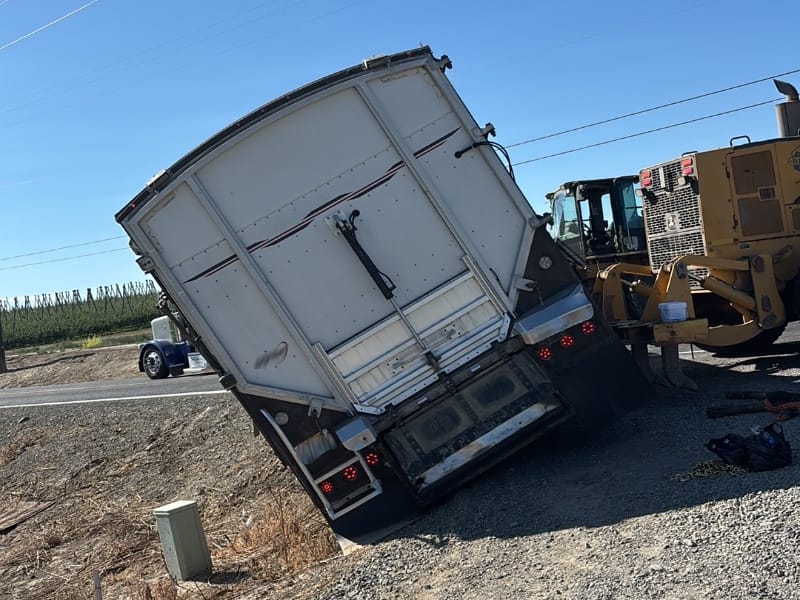
When a semi goes down on I-82, we look at the tractor, trailer, cargo, road position, weather, and repair needs before we choose the response. Some calls need a heavy wrecker. Some need a rotator, air cushions, or a plan to split the tractor and trailer. Washington freight runs on tight schedules and long miles, and one disabled rig on I-82 can affect a lot more than the truck sitting on the shoulder.
FAQs
How much can a semi breakdown cost a fleet?
The cost depends on the tow, repair, driver time, cargo deadline, and lost delivery window. The repair bill may be only one part of the total loss.
Can a loaded trailer be moved after the tractor breaks down?
Yes, but the towing crew needs to check weight, brakes, suspension, road position, and cargo type first. Some loads can transfer to another tractor. Others need the full combination moved.
Why would a tow crew separate the tractor and trailer?
Separating them can help keep the load moving while the tractor goes to a shop. It can also make sense if the tractor has damage that prevents the full unit from traveling together.
What details should a driver give after a semi breaks down?
The driver should share the mile marker, travel direction, vehicle type, trailer type, load status, and visible damage. Photos help, especially if the truck is leaning, blocking traffic, or off the shoulder.
Can weather change the towing plan for a commercial truck?
Yes. Wind, rain, dust, ice, or snow can affect traffic control, truck positioning, and hookup time. Bad weather may also limit where the disabled unit can be moved.
Why does the repair destination matter during a breakdown?
The wrong destination can create a second tow, storage fees, or a longer delay. A shop also needs the right space, staff, and parts access for the truck being brought in.