Two Calls, Two Different Setups
The road often tells us more than the breakdown itself. A stalled car near a curb brings clearance and access concerns, while a vehicle off the highway shoulder may call for longer rigging and a heavier truck. That range shapes every Pasco towing response. Traffic speed changes how we protect the work area. Tight streets change how we approach and position the truck. Before anything gets connected, we need to know what the road will allow.
City Calls Start With Space
Urban towing around Pasco often comes down to inches. Parked cars can block the approach. Trees and power lines can limit boom movement. A driveway may give us one usable angle, and even that angle can disappear once the truck starts backing in.
We use shorter wheelbase units for many local calls. They turn better on residential streets and fit into smaller lots. Our operators look at overhead clearance, curb position, slope, and the exit path before connecting anything. A tow that travels three miles may still need 20 minutes of careful setup.
Highway Calls Begin With the Work Zone
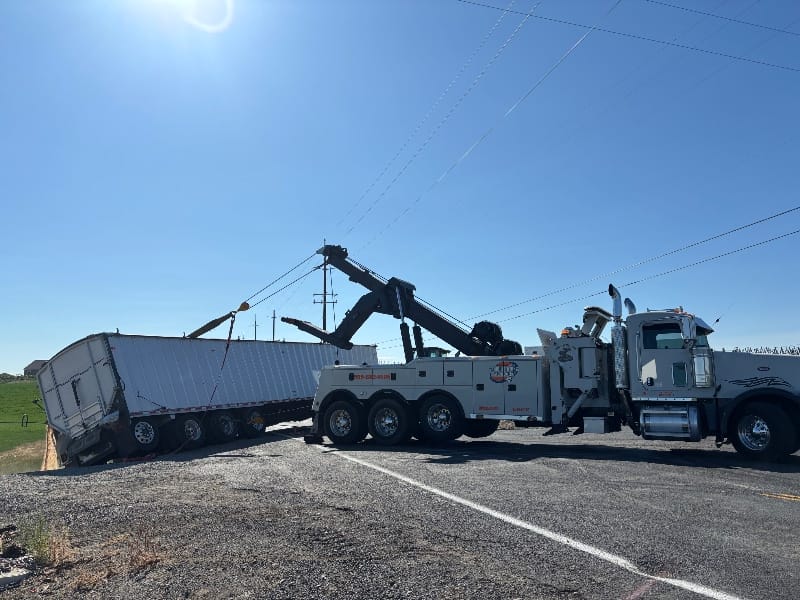
Interstate calls bring another set of problems. Traffic may pass only a few feet from the shoulder. The ground can slope away from the pavement. Gravel, soft dirt, or a guardrail may limit where we can place the recovery truck.
We set warning lights and position the truck before starting the recovery. The truck creates a barrier between the crew and passing traffic. We also check how far the disabled unit sits from the lane and how much room we have for rigging. That scene setup stays in place until the job is finished.
Equipment Has to Match the Road
Dispatch needs clear details before sending a truck. A compact sedan in a parking garage may need a low-profile unit. A rolled SUV below I-182 may need a heavy wrecker and longer rigging. Good towing begins with the right questions, not the biggest truck in the yard.
We usually ask for:
- The exact road, exit, or nearby landmark
- The type and size of the vehicle
- Its position and visible damage
- Nearby traffic, barriers, or low clearances
- The final towing destination
Those answers help our Pasco towing dispatchers match the call to the equipment. Sending the wrong unit adds delay. It can also leave the operator without enough reach or room to work.
The Driver’s Location Changes the Risk
A breakdown on a quiet street may block a driveway or part of a parking lot. An interstate breakdown exposes the driver and crew to vehicles moving at full speed. Our Pasco towing operators treat those scenes differently from the moment they arrive.
Snow and wind can change the plan again. A soft shoulder near Highway 395 may not support the same truck position we would use in dry weather. During winter Pasco towing, we also watch for ice under the disabled unit and packed snow around the tires. Both can change how a vehicle moves once tension reaches the line.
Our Crew Handles Pasco Towing From Tight Streets to Open Highways
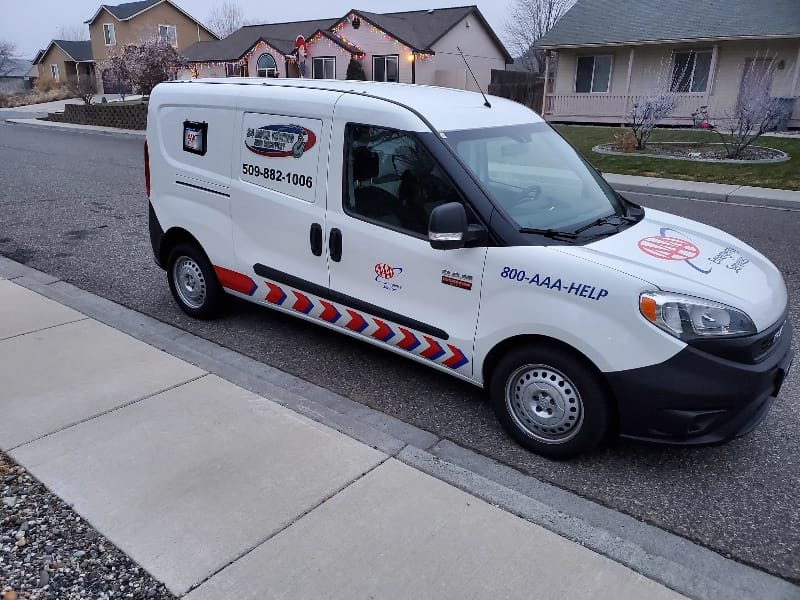
Our Pasco towing work covers neighborhood driveways, commercial lots, highway shoulders, and vehicles below the road. We use wheel-lifts, flatbeds, and heavy wreckers based on the access and recovery needs. The operator still has to read the scene before the equipment can do its job.
Around the Tri-Cities, the road can change quickly from a narrow local block to I-182, I-82, or Highway 395. That is why Pasco towing crews need city judgment and highway recovery experience. One call may need inches of clearance near a fence. The next may need a protected work zone beside moving traffic.
FAQs
Does a vehicle in a ditch always need a heavy wrecker?
No. The vehicle’s weight, depth, angle, and ground conditions determine the equipment. A light car near the pavement may only need a standard winch setup.
Can a flatbed load a car with damaged wheels?
Usually, yes. Operators can use skates, dollies, or the bed’s winch to move a car that will not roll normally. Severe suspension damage may require extra rigging.
Why does dispatch ask if the steering wheel is locked?
Locked steering affects how the vehicle can be loaded and positioned. Sharing that detail helps the operator bring the right tools.
Can a tow truck enter a gated apartment complex?
It can if the entrance, turning space, and overhead clearance allow it. The driver may need a gate code or help from property management before entering.
Does rain or snow change a vehicle recovery?
Yes. Wet soil, ice, and packed snow reduce traction and can make the vehicle move unexpectedly. Operators may adjust the truck position, rigging, or pulling angle.
Can roadside assistance fix the vehicle without towing it?
Sometimes. A jump-start, tire change, lockout, or fuel delivery may get the driver moving again. Mechanical damage usually requires transport to a repair shop.