The First Minutes Set the Tone
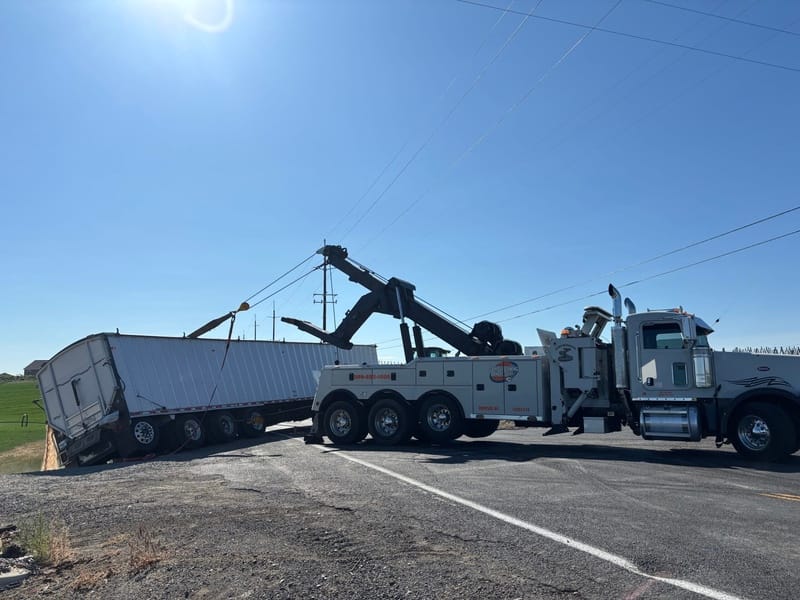
The first few minutes after a semi crash or breakdown are usually messy. A jackknifed truck near Grandview, a blown tire near Sunnyside, or a stalled tractor on the shoulder near Prosser all start with the same problem: traffic keeps moving while the driver figures out the next step. That is where I-82 semi towing often begins for our team.
Call 911, Then Call 24 Towing
Call 911 first if the truck is blocking traffic, leaking fuel, involved in a crash, or sitting in a dangerous spot. Washington State Patrol or local officers may need to control traffic, document the scene, or request extra help. A dispatcher also needs clear details: direction of travel, mile marker, closest exit, injuries, spill concerns, and if the trailer is loaded.
After that, call 24 Towing. Waiting for three different people to approve the next step can cost time while traffic backs up behind the rig. Early information helps us send the right truck, crew, and recovery gear instead of guessing from a vague location.
If the truck can still move and the lane is blocked, get the vehicle to the shoulder or the nearest safe opening. Even ten feet can matter if it gets the trailer out of a live lane. If the rig will not move, get yourself away from traffic. Do not stand behind the trailer, between lanes, or near the impact side of the scene.
Use Warnings, Then Leave Cargo Alone
If warning triangles, cones, or flares can be placed without walking into danger, use them. Bad weather, curves, darkness, and hills change what is reasonable. We would rather see a driver step away from a risky scene than spend extra time setting markers while cars are sliding past.
Leave the cargo alone. Do not open the trailer, move pallets, retighten straps, or clean up spilled product before officers, insurance, or our crew can look at it. On I-82 semi towing calls, shifted freight can explain why the rig moved the way it did. Moving it too early can make the rest of the job harder to sort out.
Document What You Can Without Wandering
If you are in a safe spot, take a few photos. Get the truck position, road surface, trailer angle, damage, debris, and anything that may have contributed to the crash. Keep it simple and private. No social media posts from the shoulder.
Write down the time, location, direction of travel, and what happened while it is still fresh. Stay near your phone because officers, dispatch, or our crew may need details about the load, brakes, fuel, or destination. Good information helps on every On I-82 semi towing job; it can cut down confusion once multiple people start arriving.
Stay Put and Let the Scene Settle
Once you have called for help, set warnings if it is safe, and documented what you can, stop moving around the scene. Do not try to direct traffic. Do not argue with passing drivers. And do not crawl under the trailer to inspect damage while vehicles are still coming by at highway speed.
The first 10 minutes should be about people, traffic, and clear communication. A clean I-82 semi towing response starts with knowing where the rig is, what condition it is in, what it is hauling, and if anyone else needs help. The tow and recovery work comes after the scene is stable enough to approach.
24 Towing Handles I-82 semi towing When the First Ten Minutes Matter
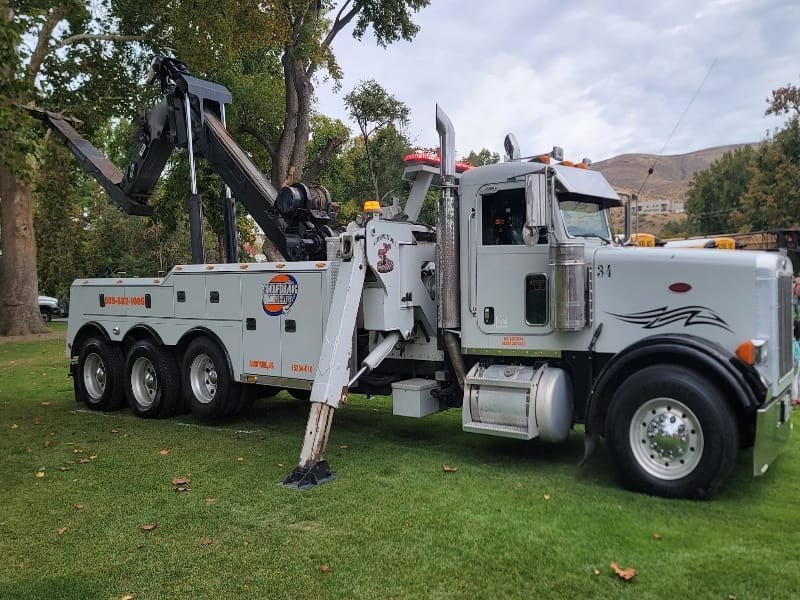
24 Towing has handled highway semi calls across Washington since 2009. Our WreckMaster-certified crew is trained for emergency response, heavy recoveries, jackknifes, rollovers, fuel spill support, and difficult roadside scenes. Our I-82 semi towing work often involves Washington State Patrol and local agencies around Pasco, Kennewick, Sunnyside, Grandview, Yakima, and the surrounding highway routes.
We have pulled semis out of ditches near Prosser, cleared jackknifes by the Yakima River bridge, and handled rollover calls on grades where traffic had nowhere to go. I-82 semi towing can get worse fast in winter weather, at night, or near an exit where drivers are changing lanes. The first good decision is usually the plain one: get clear of traffic, call 911, call 24 Towing, and leave the rest of the scene alone until help arrives.
FAQs
What should a truck driver do first after a highway accident?
Get out of moving traffic if the truck can still move. Turn on hazards, check for injuries, and call 911 if lanes are blocked, anyone is hurt, or fuel is leaking.
Should a driver stay inside the cab after a crash?
Only if leaving the cab would be more dangerous. If traffic is close and the truck is exposed, move to a safer spot away from the roadway when possible.
When should warning triangles be placed?
Use warning triangles when it is safe to do so. Place them far enough back to give approaching drivers time to react, especially near curves, hills, or poor visibility.
Should cargo be moved after a crash?
No. Leave cargo, straps, pallets, and spilled freight alone until police, insurance, or recovery crews review the scene. Moving it too early can create problems later.
What photos should a driver take after an accident?
Take wide photos of the truck position, road conditions, trailer angle, damage, debris, and any visible hazards. Do this only from a safe location.
What details help dispatch after a semi accident?
Give the nearest marker, travel direction, lane position, trailer type, cargo concerns, injuries, and spill information. Clear details help the right crew and equipment get sent.