When the Trailer Looks Fine but the Freight Doesn’t
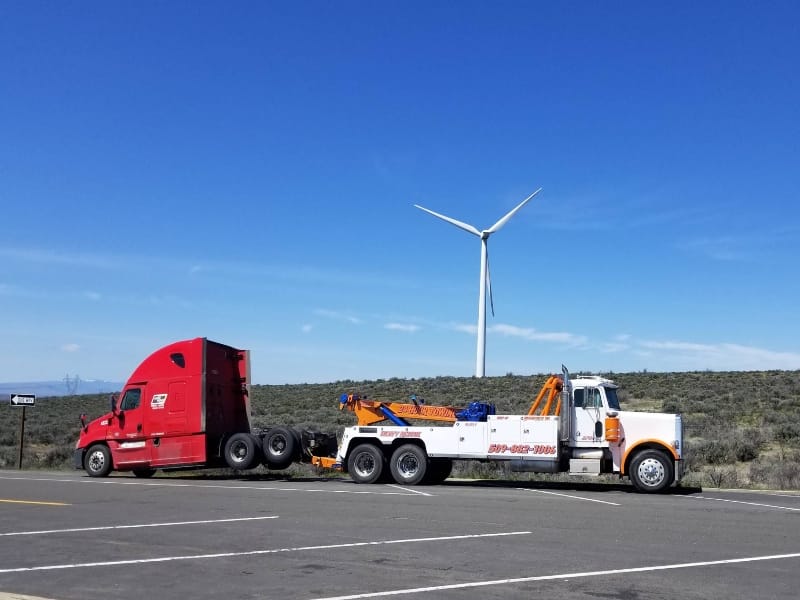
From outside, the tractor and trailer might look perfectly normal. Inside a dry van, pallets could be leaning against a wall or pressing on the rear doors. On a flatbed, machinery or bundled material may have shifted enough to change how its weight sits on the trailer. The point is: A truck doesn’t have to overturn or collide with anything for its cargo to become a problem. Cargo can case trouble all on its own. Because freight sometimes moves during braking, cornering, or a long stretch of rough pavement. In those cases, I-82 load shift correction may be needed even when the driver has managed to stop without an accident.
How Freight Gets Out of Place
A vehicle carrying heavy freight is constantly accelerating, braking, and turning. Straps, chains, blocking, and other restraints are supposed to keep the load from moving with those forces. If something loosens or gives way, even a short movement can leave cargo in an awkward position.
Not every shift looks dramatic. A pallet may lean because the cartons underneath have crushed. A large piece of equipment may slide just far enough to leave a tiedown loose. And if the load has moved toward one side, the driver may notice the trailer behaving differently before seeing any obvious damage.
What Drivers Should Do First
If a driver suspects a shift, the safest next step is to stop in a suitable location, away from moving traffic if possible. A running engine isn’t a reason to continue with an unstable load.
We’d also caution against opening trailer doors or adjusting restraints just to see how bad things are. Cargo pushing against a door may fall outward when the latch is released. A strap that seems loose may still be holding something heavy in place.
When contacting dispatch, it helps to have:
- An exact location: Mile marker, nearest exit, and direction of travel.
- The trailer type: Dry van, refrigerated trailer, flatbed, or another configuration.
- A cargo description: What you’re hauling, its approximate weight, and what seems to have moved.
- Any visible hazards: Freight leaning toward a door, damaged restraints, or a load reaching beyond the trailer.
We don’t expect drivers to diagnose the problem from the shoulder. A clear description lets us plan what may be needed.
Getting the Load Back Into Position
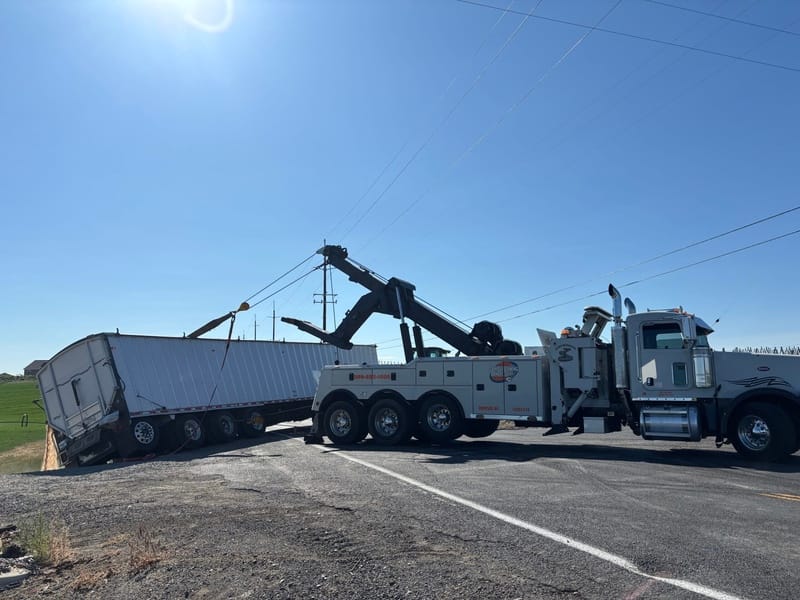
With shifted-load recovery on I-82, we first need to understand what’s holding the freight where it is. A leaning pallet stack may require support before the doors are opened. Machinery on a flatbed might need to be lifted or pulled back into position without allowing it to slide farther.
There isn’t one technique for every trailer. Cargo repositioning along I-82 might involve controlled lifting, blocking, or unloading the freight at a suitable location. The weight of the load, the condition of the trailer, and the space available around it help determine the approach.
During I-82 freight recovery, we also need to think about what happens when the load moves. Releasing pressure from one side can change the way cargo rests elsewhere. After repositioning, the freight still needs to be properly distributed and secured before the truck continues.
Working Beside Highway Traffic
Even a truck that is entirely on the shoulder may leave little space to handle cargo. For load shift correction near Pasco, the roadside location can affect what work is practical and whether traffic control is needed.
We’ve worked alongside Washington State Patrol and local law enforcement, including departments in Pasco, Kennewick, Sunnyside, and Grandview. On I-82 cargo recovery calls, responders may help protect a scene while recovery crews assess the trailer. Sometimes stabilizing the freight and arranging a suitable location for further cargo handling makes more sense than attempting the entire job beside traffic.
24 Hour Towing Handles Your I-82 Load Shift Correction
We’re a family-owned Washington towing company serving the region since 2009, with more than 20 years of combined operator experience. Our drivers hold WreckMaster and Emergency Response certifications, and we work with law enforcement and other responders when a roadside situation needs coordinated attention.
When freight has moved, we assess the trailer and cargo before choosing an approach. We may assist with repositioning, coordinate unloading or reloading, or recover the truck once the load is stable. Tell us where you’re stopped, what you’re hauling, and what has shifted so we can determine how to help.
Frequently Asked Questions
Can cargo shift without a collision?
Yes. A sudden stop, sweeping curve, rough pavement, or repeated vibration can move freight without visible crash damage. Restraints may weaken, blocking may fail, or heavy items may have been loaded unevenly.
Should I open the trailer doors?
No, not if the doors feel tight or freight appears to be leaning against them. Opening the latch can release a stack without warning. Stay clear and wait for a qualified assessment.
What should I tell the dispatcher?
Give the exact location, travel direction, trailer style, cargo type, approximate weight, and what you felt or saw. Report blocked lanes, leaking material, damaged straps, or contact with another vehicle immediately.
Who manages traffic during recovery?
That depends on the incident and jurisdiction. State patrol, city police, or county deputies may protect the scene, close a lane, or slow traffic while recovery workers inspect the freight.
Does every shifted load require unloading?
No. Some cargo can be supported and moved back with controlled equipment. Other loads are too unstable, heavy, or tightly packed and require unloading, reloading, and fresh securement.
When may the truck continue?
Travel should resume only after the freight is distributed, restrained, and checked for damage. The driver also needs clearance at the doors, walls, axles, and trailer floor.